77 Unique Positions For Merchandise Separator
The Merchandise Separator plays a pivotal role in retail environments, particularly at checkout counters where transactions occur.

This unassuming tool, often overlooked, facilitates an organized and efficient shopping experience for customers.
See how to join 38 Packer job opportunities
Step-by-step guide to apply for 24 Cargo Assistant positions
Discover how to participate in the online selection process
In this article, we will explore the significance of merchandise dividers, their impact on customer satisfaction, and how major retailers like Walmart utilize these tools to enhance the checkout process.
By examining the deployment of 77 merchandise separator positions, we will uncover how these dividers minimize confusion, streamline operations, and ultimately improve the overall retail experience for shoppers.
Exploring the 77 Positions for Merchandise Separator
The presence of 77 positions for merchandise separators at retail checkout counters serves a vital purpose in enhancing the shopping experience.

By providing a clear and organized way to segregate purchases, these dividers significantly contribute to the efficiency and organization of the transaction process.
This meticulous arrangement not only minimizes errors but also plays an essential role in improving customer satisfaction by ensuring a smooth and seamless checkout experience.
Strategic Placement of Separator Positions
The strategic placement and rationale behind the allocation of 77 merchandise separator slots at retail checkout stations hinge on optimizing spatial arrangement and ensuring both customer convenience and transaction clarity.

By distributing these separators evenly across checkout counters, stores like Walmart enhance the flow of transactions and reduce potential confusion.
Each separator is strategically positioned to be highly visible to customers, ensuring ease of access and a clear demarcation of individual purchases.
This placement not only aids in smoothing out the customer experience but also boosts efficiency by minimizing the ambiguities commonly encountered during checkout processes.
Visibility enhances effectiveness, as it allows customers to readily identify and utilize the dividers, thus enhancing customer convenience.
Additionally, the impact on customer behavior is significant, as clearly delineated spaces contribute to reducing anxiety and ensuring a more streamlined checkout experience.
Accessibility plays a crucial role in their placement, ensuring all customers can easily reach and use them, regardless of their position in line.
Factors such as space optimization, customer convenience, and transaction clarity are vital.
These aspects are integral in deciding where each separator fits into the overall store layout.
For a detailed understanding, consider these influencers:
- Visibility
- Accessibility
- Impact on customer behavior
This thoughtful allocation ensures the dividers serve not merely as functional tools but as vital instruments that promote a seamless shopping experience.
Impact on Checkout Efficiency
The dedication of 77 merchandise separator positions at Walmart’s checkout counters significantly enhances the checkout efficiency.

By providing each register with a separator, the process of scanning and paying for items becomes more streamlined.
The presence of these dividers ensures that the transaction flow is smooth, allowing cashiers to easily distinguish between different customer purchases.
This minimizes the likelihood of transaction errors, thereby improving the accuracy of each sale.
Additionally, by eliminating confusion at the counter, customers experience faster service, which enhances their overall shopping experience.
Furthermore, these separators are essential in maintaining orderly queues, as they allow customers to organize their items before reaching the cashier.
This level of organization contributes to reducing wait times, which is crucial in a fast-paced retail environment.
By fostering a system where each item is clearly marked for scanning, separators help in increasing operational productivity and customer satisfaction.
With the reduction in transaction errors and a marked improvement in service speed, the investment in merchandise separators appears to be a strategic move that benefits both the retail staff and customers alike.
This relevance underscores how small innovations like merchandise separators can create a substantial impact on retail efficiency.
Customer Experience Benefits
The strategic arrangement of 77 merchandise separator positions in retail environments significantly enhances the checkout process, contributing to customer satisfaction.
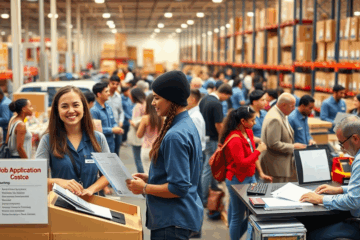
These dividers serve an essential function, establishing a clear visual separation between customers’ items, leading to an organized checkout experience.
In bustling retail settings, particularly larger chains like Walmart, misplaced or mixed items can easily occur.
By clearly designating spaces for each customer’s items, these separators play a pivotal role in creating reduced confusion during payment scenarios.
Customers can enjoy stress-free transactions, as they no longer need to worry about their purchases being mixed with others.
This innovative approach not only benefits customers but also aids cashiers and retail staff by minimizing errors during the scanning process, facilitating a smoother transaction environment.
Moreover, these separators act as silent customer service agents, providing a non-verbal cue that their attention and satisfaction are valued.
This reinforces the retail environment’s commitment to an enhanced shopping experience, meeting the expectations of efficiency and cleanliness that modern shoppers demand.
Adopting merchandise separators across register lanes is a testament to the commitment to maintaining an organized and reduced confusion during payment checkout process, ultimately ensuring that customers leave the store with a positive impression.
Operational Management Considerations
Effectively managing the 77 merchandise separator positions at retail checkout areas involves intricate aspects of maintenance, staff training, and logistical planning.

In these bustling retail environments, the upkeep of the separators ensures they remain functional, avoiding any hiccups during busy operational hours.
The maintenance routine typically encompasses regular inspections to identify wear and tear, accompanied by swift replacements when necessary to ensure a consistently smooth checkout process.
Continuous performance monitoring is essential because any malfunction could disrupt the entire checkout line, leading to customer dissatisfaction.
Therefore, well-defined maintenance schedules are crucial to preclude these issues.
Additionally, staff training plays a pivotal role in the seamless operation of these merchandise separators.
Employees need to be fully aware of the correct usage, ensuring they promptly address any minor issues.
Ongoing education sessions provide the necessary skills for staff to efficiently manage this equipment under various circumstances, adapting quickly to new protocols or technology implementations.
Moreover, the dynamic nature of retail necessitates meticulous logistical planning.
This involves anticipating peak shopping times and seasonal variations which may demand adjustments in inventory levels or enhance personnel allocation.
By doing so, retail managers can better accommodate fluctuating shopper volumes, thus maintaining an efficient checkout process.
The synchronized efforts in maintenance, meticulous staff training, and proactive logistical planning are key to sustaining the optimum performance of merchandise separators, ultimately enhancing the customer’s shopping experience.
Future Scalability and Innovation
Evolving retail technologies promise to reshape the standard 77 merchandise separator positions in the checkout lanes.

Retail advancements like AI-driven queue management and smart fixtures are set to transform these roles, enhancing scalability and innovation.
These technologies could dynamically optimize checkout flow, potentially altering or reducing the fixed number of separator positions.
An analysis by McKinsey demonstrates how AI can improve operational efficiency, leading to cost reductions and streamlined customer interactions.
Innovative smart fixtures, facilitated by advances in IoT, may redefine the need for physical separators.
By using sensors to automatically scan and classify products, the checkout process becomes seamless and less reliant on traditional separation tools.
This transition addresses current challenges such as space constraints and resource allocation.
| Factor | Influence |
|---|---|
| AI Queue Management | Potential to adjust positions dynamically |
| Smart Fixtures | Decreases reliance on physical dividers |
These forward-thinking systems not only promote a more fluid checkout experience, but they also redefine the role of the merchandise separator.
Retailers aiming to adapt to these shifts will need to stay vigilant, balancing technological advancements with the imperative to maintain customer satisfaction through efficient, organized transactions.
As a result, while the traditional 77 separator positions may remain today, their nature is poised to evolve significantly over the coming decade.
In conclusion, the thoughtful implementation of merchandise separators is crucial to enhancing the checkout process in retail environments.
By creating an organized and efficient experience, these dividers not only reduce confusion but also contribute significantly to customer satisfaction.