Exploring Contactless Payment Chip Cards
Contactless Payment methods, particularly tap-to-pay cards, are transforming the way consumers make transactions.

This article will delve into the mechanics of how contactless payments work, highlighting the advanced security features that protect users.
Discover the perks of the Petal Visa card
Find out how to score top rewards with the Best Buy card
Understand how the Costco card works
We will also explore the numerous advantages of this technology, as well as the reasons behind its growing popularity among shoppers.
Understanding these elements provides insight into the future of payment systems and consumer convenience.
Foundation of Tap-to-Pay Card Technology
Contactless payment, enabled by chip-based technology, has revolutionized modern transactions by marrying security and convenience.
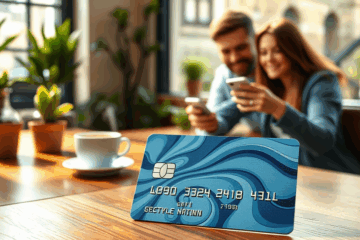
At the heart of this innovation, lies the EMV chip, which ensures secure, frictionless transactions by encrypting cardholder information and generating a unique code for every transaction.
This works seamlessly with Near Field Communication (NFC) technology that activates when users tap their card at a terminal, allowing swift exchanges without physical contact.
The synergy between chip-based security and NFC capabilities provides an effective barrier against fraud, reshaping how we shop.
Contactless payments are ushering in an era of efficiency and ease, making them a prominent fixture in retail settings and everyday commerce.
Their ability to offer hastle-free experiences is paving the way for a future where payments are not just transactions but a seamless part of daily life.
Technical Workflow of a Contactless Transaction
The technical workflow of a contactless transaction involves multiple sequential steps that ensure a secure and efficient payment process.

When a user taps their contactless card on a compatible payment terminal, a signal is initiated, allowing the two devices to communicate using near-field communication technology.
This interaction facilitates a secure data exchange that includes generating a unique transaction code, which is then verified by the backend systems to authorize the payment.
In-Card Security Architecture
Contactless chip cards offer enhanced security compared to traditional magnetic-stripe cards.

Magnetic stripes use static data, making them vulnerable to cloning and data theft.
In contrast, chip cards leverage dynamic data authentication, ensuring a unique code for each transaction, significantly reducing the risk of fraud.
The table below highlights key differences:
Data Type Risk Level Example Static High PAN + fixed code Dynamic Low EMV cryptogram
The shift from static to dynamic information presents a critical advancement in fraud prevention mechanisms.
Each transaction with a contactless chip card utilizes a one-time cryptogram, rendering intercepted data useless.
This robust security model not only curtails unauthorized access but also builds consumer confidence.
For more about EMV technology, check out Jupiter Money’s EMV Chip Technology.
Everyday Advantages for Consumers
Contactless chip card payments have transformed the shopping experience by simplifying transactions.
Consumers now enjoy numerous benefits:
- Speed at checkout — transactions complete in seconds using Contactless Payment systems, reducing wait times.
- Enhanced security — contactless cards generate a unique one-time code for each transaction, ensuring secure payments without the risk associated with magnetic stripe cards.
- Convenience — no more entering PINs or handling cash, resulting in faster and more efficient checkouts.
- Hygienic transactions — reduces the need to physically touch payment terminals, offering cleaner payment options.
- Relevant ease of use — effortless payments encourage consumers to adopt contactless methods, aligning with modern expectations for seamless service.
Overall, these advantages provide an improved payment experience contributing to a more convenient and secure shopping environment.
Global Uptake and Behavioral Shifts
Global adoption of contactless chip card payments is accelerating, with countries experiencing significant growth in transaction volumes.
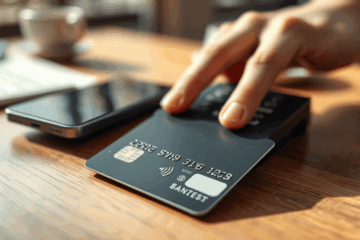
In 2019, an estimated 30 percent of payments globally were contactless, but by the first quarter of 2020, there was a notable 40% growth highlighting a swift shift in consumer behavior.
Australia and the UK emerged as frontrunners, achieving over 75 percent of in-store transactions via contactless methods, reflecting widespread consumer preference for speed and convenience in payment processing.
As consumers increasingly favor tap-to-pay options, merchant acceptance has followed suit, integrating NFC-enabled terminals to accommodate demand and minimize transaction times.
This shift also prompted banks to alter strategies, emphasizing the distribution of contactless cards and prioritizing security features similar to traditional chip cards.
With projections indicating the global market growth at a compound annual rate of 18.9% from 2024 to 2030, financial institutions are actively engaging in efforts to enhance user experiences and bolster trust through education on secure transaction protocols.
Therefore, the financial landscape is evolving as banks, merchants, and consumers adapt to the now indispensable contactless technology.
Contactless Payment technology is reshaping the landscape of financial transactions, offering speed, security, and convenience.
As more consumers embrace these innovations, the trend towards contactless solutions is likely to accelerate.