Explore 24 Positions for Cargo and Unloading Assistants
Cargo Assistants play a vital role in the logistics industry, managing the flow of goods in warehouses and shipping facilities.

This article will delve into the various opportunities available for cargo and unloading assistants, including positions like Forklift Operators, Warehouse Associates, Material Handlers, and Loaders/Unloaders.
See expert tips for sending your resume for a plumber role
Discover how to submit your resume for a market attendant position
Explore Nordstrom career opportunities across the USA
We will explore the significance of these roles in ensuring efficient operations, improving loading and unloading processes, and contributing to overall logistics management.
Understanding these essential careers will shed light on their importance in maintaining seamless supply chain operations.
Vital Functions of Cargo and Unloading Assistants
Cargo and unloading assistants play a crucial role in the logistics industry by ensuring the seamless movement of goods through supply chains.

These professionals work in a variety of settings such as warehouses, shipping facilities, and distribution centers, handling the tasks necessary for loading and unloading freight efficiently.
Their contributions keep supply chains moving by minimizing delays and optimizing processes.
Key roles in this field include positions such as
- Warehouse Loader
.
Each comes with specific duties that collectively contribute to operational success.
Their impact on logistics efficiency cannot be overstated as they directly influence transportation costs and workplace safety.
According to Phase V’s resource on best practices, effective cargo handling directly boosts supply chain performance and reduces risks.
As we delve into the details, we break down 24 distinct positions in this sector, exploring how each contributes uniquely to maintaining efficiency and reliability in operation.
Make sure to continue reading as we reveal the vital functions and essential skills required for these indispensable roles in logistics.
Essential Warehouse Positions
In the fast-paced environment of warehouses and freight terminals, essential front-line positions work in harmony to ensure the smooth flow of cargo.

These roles, such as Forklift Operators, Warehouse Associates, Material Handlers, and Loaders/Unloaders, form the backbone of logistics operations.
Together, they enable goods to be efficiently received, stored, and dispatched, playing a vital role in supply chain success.
Warehouse Loader
Warehouse loaders play a crucial role in ensuring the smooth operation of warehouse logistics by loading pallets or trucks and aligning freight for safe transit.

This process requires a keen eye for accurate weight distribution and proper stacking techniques to prevent damage and ensure the integrity of goods during transit.
Coordination with the inventory team is essential, as loaders must track item locations and updates in the inventory system, thus maintaining a harmonious flow in operations.
They are also required to adhere to OSHA guidelines, which include the use of suitable Personal Protective Equipment (PPE) and following safety protocols to minimize the risk of workplace injuries.
Loaders must make use of equipment such as forklifts and pallet jacks in a safe manner to efficiently move and organize materials, requiring both technical skill and physical endurance.
Attention to detail and effective communication with team members are critical in preempting issues and optimizing workflow efficiencies, ensuring that operations not only run smoothly but also safely, contributing to the company’s overall success.
Dock Assistant
Dock assistants play a crucial role in the seamless operation of a warehouse by efficiently managing traffic flow and minimizing disruptions.

They start by warmly greeting drivers and swiftly allocating bays, ensuring that each truck has a designated space to unload.
This initial interaction sets the tone for a smooth process.
During the unloading phase, dock assistants diligently monitor progress, maintaining constant communication with the team to avoid any delays or confusion.
Their responsibilities include traffic marshaling to prevent congestion and ensure that all operations run smoothly.
Further, dock assistants conduct thorough cargo inspection to identify any potential damage, which can prevent costly errors in the supply chain.
The efficiency of the dock assistants is pivotal to the overall logistics process, safeguarding the integrity of goods handled, and their keen oversight helps avert potential bottlenecks — a critical issue highlighted by industrial experts.
As stated by a logistics leader, “Timing is everything at the dock; every minute saved improves turnaround and reduces cost.
” By maintaining vigilance and utilizing their skills to keep everything on track, dock assistants uphold the warehouse’s standards and ensure that operations from start to finish are streamlined and effective.
For more insights on the responsibilities and roles, refer to the Penske Dock Assistant Duties.
Material Handling Assistant
Material handling assistants play a vital role in ensuring the efficient flow of inventory within warehouse facilities.
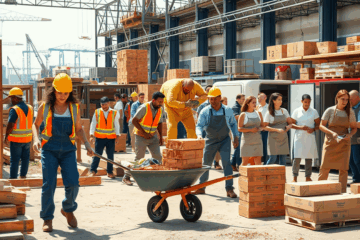
Their responsibilities include using equipment such as forklifts and pallet jacks to move materials seamlessly.
By doing so, they significantly reduce congestion, ensuring that spaces within the warehouse remain organized and accessible.
Optimizing inventory levels becomes feasible, helping facilities match pacing with supply chain demands.
Moreover, staging outgoing orders ensures accuracy and efficiency in dispatch processes, minimizing shipment delays.
It’s essential to emphasize material safety, as improper handling could lead to damaged goods or hazardous situations.
Consequently, proper equipment operation training is paramount for all involved.
Forklifts and pallet jacks are intricate machines that demand precision and skill; thus, training enhances their capability to execute their duties effectively and safely.
Understanding material handling principles reinforces the importance of safety in operations, underscoring that experienced handling supports seamless logistics.
By meticulously managing material flow, these assistants not only support efficient operational dynamics but also foster an environment prioritizing safety and orderliness throughout the supply chain continuum.
Unloading Assistant
Unloading assistants play a pivotal role in logistics, ensuring goods are efficiently removed from trucks or containers while meeting strict time constraints.

Amid this high-paced environment, the focus remains primarily on two critical aspects: cargo inspection and damage prevention.
Every item is meticulously checked to confirm it matches shipping documents, aligning with standards found in resources like the Material Handler Job Description.
As they unload, assistants collaborate seamlessly with team members, enhancing operational flow and fostering teamwork that mitigates risk.
The art of unloading is not just about speed; the adherence to rigorous safety protocols ensures all operations align with industry safety standards.
Making use of equipment such as forklifts, as detailed in Freight Handler Job Duties, demands a careful balance of efficiency and security, safeguarding both the staff and the cargo.
Proactive measures like cargo inspection act as a linchpin, identifying potential issues that could disrupt the supply chain.
Thus, damage prevention becomes a priority, underscoring every action amidst the hurried backdrop of daily operations.
This meticulous attention to detail ensures the successful and safe transit of goods, reinforcing the vital importance of their role within the logistics framework.
Specialized Roles Requiring Advanced Certification
Specialized cargo assistant roles handle sensitive and highly regulated shipments, requiring advanced certifications that ensure safety and efficiency.

These roles demand expertise and precision, particularly in managing dangerous goods, cold-chain cargo, and oversized freight.
Cargo Handlers tasked with transporting hazardous materials must obtain certifications such as the Dangerous Goods Regulations Certificate, which is critical for adhering to international compliance standards.
Certified training programs are not optional in this field due to the elevated risk associated with handling such materials.
Beyond dangerous goods, cold-chain specialists are essential for transporting temperature-sensitive products like pharmaceuticals and food.
They must master the Cold Chain Logistics Certification to ensure temperature integrity throughout the supply chain.
Managing oversized freight also demands specialized skills; operators often require Oversized Cargo Loading Certification, confirming their capability in handling and securing large shipments safely.
To clarify the specialized roles, here’s a short list:
- Hazardous Material Handler
- Cold-Chain Cargo Specialist
- Oversized Freight Operator
- Specialized Forklift Operator
These specialists ensure logistics operations run smoothly while complying with stringent safety standards.
Consequently, employers prioritize candidates with these critical certifications, knowing they bring a level of proficiency and reliability essential for maintaining safe and efficient shipping processes.
Without robust certification programs, the risk of mishandling and potential hazards significantly increase, underscoring the vital nature of these qualifications.
In conclusion, the roles of Cargo Assistants are crucial in the logistics sector, facilitating efficient warehouse and shipping operations.
Exploring these key positions not only highlights their significance but also showcases the opportunities available for those seeking careers in this essential field.